Understanding Dry Rot vs Termite Damage
When you spot damage in the wooden structures of your home, the first question is often: what caused it? Two of the most common culprits in Oklahoma City homes are dry rot and termite damage. While both can compromise the structural integrity of your house, they are fundamentally different problems that require different solutions. Understanding the distinction is the first step toward protecting your home and budget.
Dry rot is a fungal decay that occurs when wood loses moisture and becomes brittle. Termites, on the other hand, are insects that actively consume wood as food. This key difference shapes everything from how the damage looks to how quickly it spreads. Many homeowners confuse the two because both can result in weakened wood, but the underlying cause and the repair approach are entirely different. Getting a proper diagnosis early can save you thousands of dollars in repairs and prevent serious structural damage.
What Does Wood Rot Look Like? Signs of Dry Rot
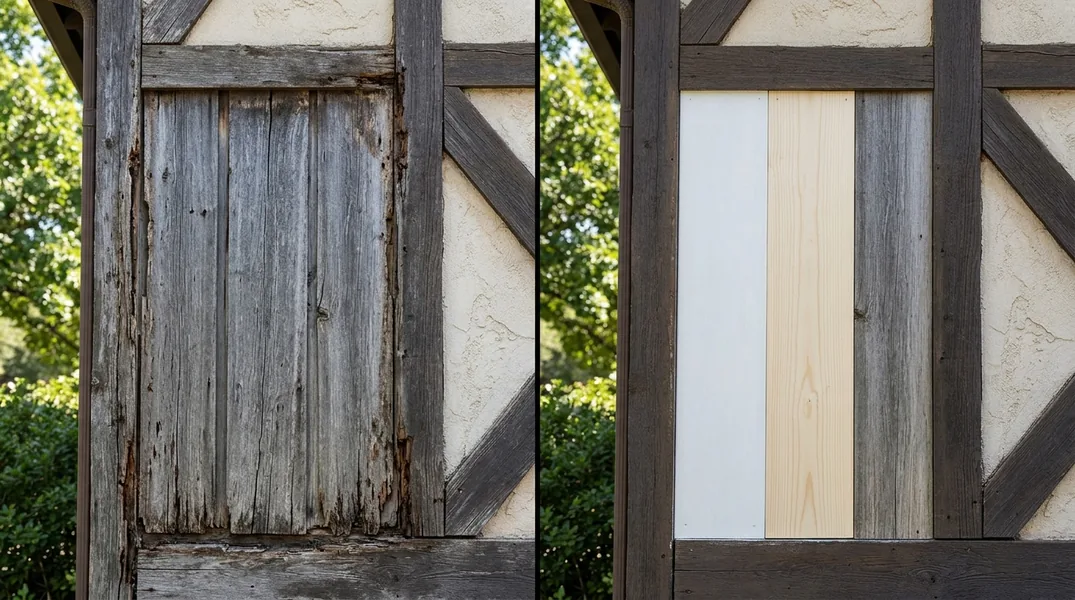
Dry rot typically appears as wood that has become soft, spongy, or crumbly to the touch. If you press a screwdriver or knife into affected wood, it may sink in easily, leaving an impression. The wood often develops deep cracks that form a distinctive cube-like pattern, which is why dry rot is sometimes called cubic rot. The color may shift to a dark brown or grayish tone, and the wood loses its natural grain appearance. In advanced stages, the wood may look almost charred or disintegrated.
One of the telltale signs of dry rot is the presence of fungal growth. You might notice white, fluffy mycelium (the thread-like part of the fungus) on the wood surface or nearby areas. There may also be a musty, earthy odor coming from the affected wood. Dry rot thrives in damp conditions with poor ventilation, so it's commonly found in basements, crawl spaces, under decks, and around windows where moisture tends to accumulate. If you suspect dry rot in your Oklahoma City home, a professional inspection is essential because the decay can spread quickly once it takes hold.
Signs of Termite Damage in Wood: What to Look For
Termite damage presents very differently from dry rot. Termites eat wood from the inside out, which means the surface may appear intact while the interior is hollowed out. When you tap on wood affected by termites, it often sounds hollow or papery. If you break open the wood, you'll see galleries or tunnels running through it, often following the grain. The wood may also have a layered or laminated appearance where the termites have consumed the softer portions between the growth rings.
Another key indicator of termite activity is the presence of mud tubes. Subterranean termites (the most common type in Oklahoma) build these pencil-sized tubes from the soil to the wood they're feeding on. You might also notice discarded wings near window sills, small piles of pellet-like droppings, or even the termites themselves. Unlike dry rot, termite damage is often accompanied by visible insect activity. The damage tends to be more localized to the areas where termites have been feeding, though they can spread throughout a home if left unchecked. If you notice any of these warning signs, contact a professional for Termite Damage Repair as soon as possible.
Key Differences: Dry Rot vs Termite Damage at a Glance
While dry rot and termite damage can both weaken wood, the differences are important to understand. Dry rot is a fungal disease that requires moisture to thrive, whereas termites are living insects that can damage wood in both wet and dry conditions. Dry rot creates a crumbly, cube-cracked appearance, while termite damage produces hollow galleries and tunnels. Dry rot spreads through spores and can travel through masonry and concrete, making it potentially more difficult to contain. Termite damage is limited to the wood itself and the areas where termites can travel.
The speed of damage also differs. Dry rot can progress rapidly once it establishes itself, especially in poorly ventilated areas. Termite damage often develops more slowly but can affect large areas of a home over several years if undetected. Dry rot typically has a musty smell and visible fungal growth, while termites may leave mud tubes, discarded wings, or droppings. Understanding these differences helps you describe the problem accurately to a professional and ensures you get the right treatment. Both issues require prompt attention, but the repair methods and prevention strategies are quite different.
How to Inspect Your Home for Wood Damage
A thorough home inspection starts with the areas most vulnerable to moisture and pest damage. Check your basement and crawl space carefully, looking for soft wood, discoloration, or any signs of water intrusion. Inspect the areas around windows and doors, under kitchen and bathroom sinks, and around your foundation. Pay special attention to wooden beams, joists, and subfloors. If you have a deck or porch, examine the underside and the points where wood contacts the ground or concrete. Use a moisture meter if you have one, as elevated moisture levels often precede dry rot development.
For termite detection, look for mud tubes on foundation walls, wooden posts, or interior walls. Check for the presence of swarmers (winged termites) during spring, which is typically termite swarming season in Oklahoma. Tap on wood surfaces with a hammer or screwdriver to listen for a hollow sound. If you find anything suspicious, take photos and note the location. While a visual inspection is helpful, it's not a substitute for a professional evaluation. Many wood rot and termite problems develop inside walls or beneath surfaces where you can't see them. If you're concerned about the condition of your home's wooden structures, contact Oklahoma City Carpentry for a free estimate and professional assessment.
When to Call a Professional for Wood Rot & Dry Rot Repair Near Me
If you've identified what you believe is dry rot or termite damage, professional help is essential. Attempting to repair structural wood damage yourself can be dangerous and may not address the underlying cause. A qualified carpenter can accurately diagnose the problem, determine the extent of the damage, and recommend the appropriate repair strategy. For dry rot, this often involves removing the affected wood, treating the area to prevent moisture, and replacing the damaged sections. For termite damage, you may need to work with a pest control professional in addition to a carpenter to eliminate the infestation and repair the structural damage.
Oklahoma City Carpentry specializes in both Wood Rot & Dry Rot Repair and structural repairs related to pest damage. Our team can assess the severity of your situation and provide a detailed plan for restoration. Depending on the extent of damage, you might need Floor Joist & Subfloor Repair or even Beam Replacement & Load-Bearing Wall Removal if structural elements are compromised. Don't wait until the problem becomes severe. Call us at (405) 563-9938 to schedule your inspection today.
Looking for a professional carpentry contractor in Oklahoma City? Oklahoma City Carpentry responds fast for all your carpentry needs.
Get a Free QuoteOur services: Wood Rot & Dry Rot Repair · Termite Damage Repair · Floor Joist & Subfloor Repair